By Angelina Newton
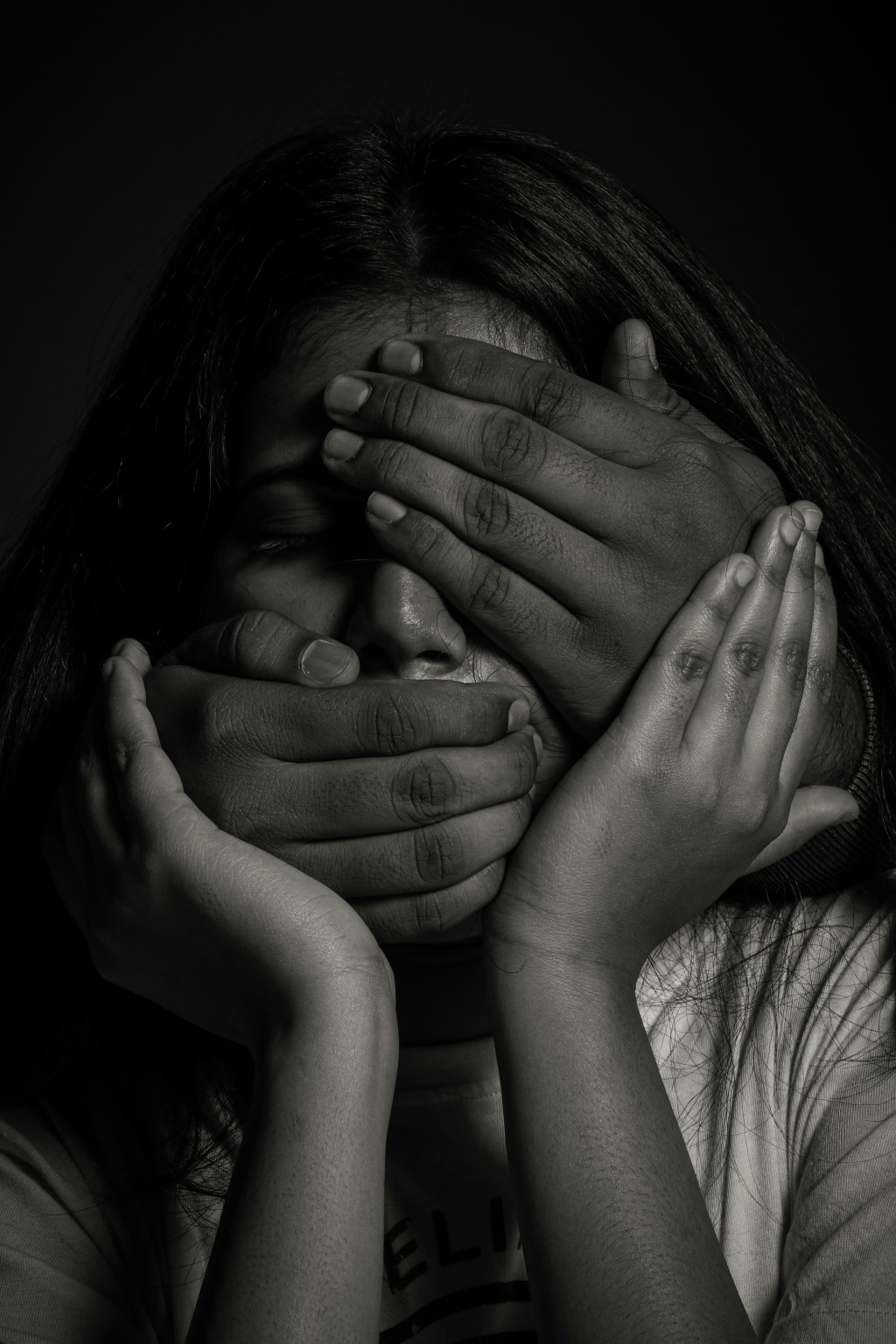
Living without fear and having the ability to feel secure while making your own decisions is a quiet privilege that many individuals overlook. Behind closed doors, countless lives endure captivity, while onlookers mistake their reality for an ordinary life. This reflects the silent crisis of human trafficking, a damaging threat continuing to impact lives across the nation. Regardless of prevention initiatives, countless survivors remain unrecognized and deprived of vital support.
International events are never fully immune to this hidden crisis, as they remain vulnerable to illicit activities occurring out of public view. As thousands gathered amid the excitement of the 2026 FIFA World Cup, investigators uncovered a grim truth. According to a report by CBS News on July 24, 2026, the New York Police Department rescued 43 survivors, including seven minors, from human trafficking during the tournament. Between June 11 and July 19, detectives arrested 89 suspects, and the 87 operations generated new leads for ongoing investigations. These discoveries confirm CBS News’s report that “major sporting events are known to law enforcement as hotbeds of human trafficking.” While rescued victims received food, housing, as well as counseling, far more work is needed to identify and protect those affected.
Official statistics capture only part of the crisis, as multitudes of victims remain uncounted and undocumented. An August 2020 study discussed by the National Institute of Justice found that labor and sex trafficking cases appearing in the FBI’s Crime Reporting Program likely undercount the true scale of human trafficking occurring across the United States. In fact, the study found that official records in one location captured only 14% to 18% of potential victims, while police filed logged 6% or less. Researchers believes this stems from the gaps in police training, misclassified crimes, as well as individuals who remain silent out of fear or are unaware that they are experiencing trafficking. These barriers make it incredibly difficult to connect survivors with help.
At the root of countless human trafficking cases lies a systematic pattern of exploitation that preys on an individual’s deepest vulnerabilities. Perpetrators frequently seek out people facing poverty, unstable housing, or a lack of emotional support. They present themselves as helpful partners, offering opportunities or even romance. Many victims are forced through abduction, physical violence, or threats. Regardless of how someone becomes a victim, those false promises turn into entrapment, creating severe threats and manipulation that prevents survivors from recognizing their own captivity. The progression of a trafficker is gradual, a step-by-step building of control that is disguised as care.
Despite how easily human trafficking goes unnoticed, spreading awareness and educating communities are powerful tools for detecting exploitation and preventing further harm. Many individuals fail to recognize the warning signs as they do not understand how trafficking works. With this in mind, it is important for schools, communities, and organizations to come together and educate people on identifying trafficking tactics, spotting suspicious signs, and reporting them. There also needs to be a better understanding that this crisis happens in our own communities, not just somewhere far away. When individuals are properly informed, there is a much better chance of getting help to someone in danger.
Human trafficking is regularly concealed behind everyday environments that draw little to no suspicion from the outside world. Beyond every statistic and documented cases are real human beings whose experiences frequently go unnoticed and unacknowledged. Those in need of support, or wishing to report suspected human trafficking, can confidentially report their concerns to the National Human Trafficking Hotline. Trafficking can hide in plain sight, yet no individual should be left to face it in isolation, and awareness remains the vital first step toward saving someone’s life.


Leave a Reply