Written By: Angelina Newton
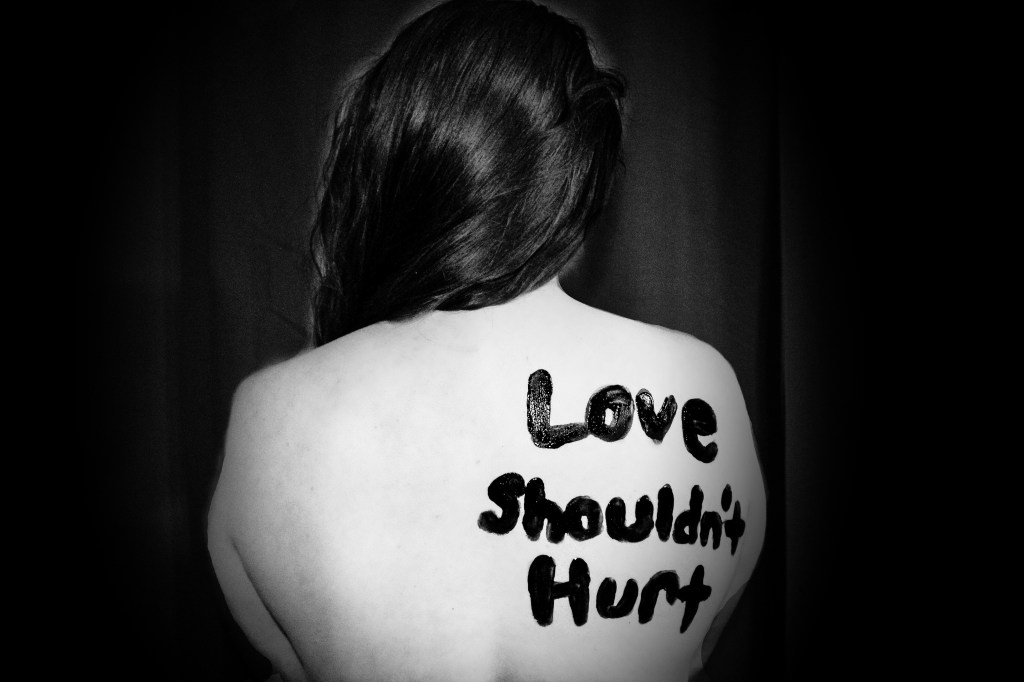
Abusive relationships often manifest subtly or covertly. Contrary to the common belief that abuse is strictly physical, in the vast majority of cases, it develops insidiously. These behaviors present in many forms, including, but not limited to: emotional manipulation, coercive control, social isolation, intimidation, psychological entrapment, verbal threats, and various other documented indicators. Subtle manipulation tactics can eventually turn into a pattern of control, leading the victim to mistake the behaviors as ordinary relationship dynamics.
On November 5, 2026, former British actor and comedian Russel Brand was found guilty of one count of rape and three counts of sexual assault in a London court according to The New York Times. The involving allegations came from six women, from the years between 1999 and 2009. This is just the beginning for him, as it was reported there are two further allegations, and he also has faced civil action in the United States related to his past sexual behavior. This case brought a critical national issue to the forefront, encouraging victims of abuse and/or rape across the globe to feel safe, as well as empowered, to openly discuss their personal journeys.
According to the Gabby Petitio Foundation, toxic behaviors are commonly hidden behind a smile and dismissed as overreacting or harmless. The article, “Why Young Adults Normalize Unhealthy Relationship Behaviors and How to Recognize Red Flags Early”, highlights the microscopic fractures and the subtle progression toward the dynamic of suffocating dominance and control. The Foundation was created in memory of Gabby Petito, whose was murdered in 2021 by her fiancé, Brian Laundrie, while on a cross-country trip sparked national attention to domestic violence. Through the resources the article provides, it encourages those to trust your instincts, act on the warning signs, and that you are worthy of a safe, healthy, and loving partnership.
Prolonged exposure to dysfunctional relationship habits can fundamentally reshape how an individual views themselves and their relationships. Survivors may begin to second guess, doubt their own reality and perception of events, especially when their partner maintains every accusation with endless denial. The partner minimizes the victim’s logic by invalidating their feelings, making them feel overly sensitive or unintelligent. This could potentially cause the partner to cut the victim off from their loved ones and friends, destroying their support. In the course of time, the exposure can compromise their self-assurance, independence, and determination. The resulting trauma leaves a heavy, invisible scar that alters their behavior, struggling to trust again.
For many of those affected, identifying this behavior presents significant challenges whether it concerns one’s own life or the life of another. Many mistakenly assume that packing up and walking away from an abusive relationship is an easy undertaking, it is never that straightforward. Separating one’s own genuine feelings of the mistreatment they are experiencing to their partner’s feelings can be exceptionally challenging. Numerous individuals fault themselves while defending their partner’s reactions or persuade themselves that it is of little consequence. Unfortunately, a significant number of victims are held back by profound fear that no one would believe their story, or that people would view them in a completely different way.
Ultimately, abusive behavior in relationships is an incredibly complex mater that is frequently invisible to many. It happens behind closed doors, an invisible struggle and unacknowledged by outsiders due to the perpetrator’s calculated manipulation. Stories like Gabby Petito and cases like Russel Brands’ is a great reminder to amplify the voices of all survivors and to give them a platform. If you find yourself in an environment that feels unsafe or harmful, there are resources, confidential support is available at the National Domestic Violence Hotline. The simple truth is safety, love, and respect are not privileges to be earned in a relationship. No matter how deep the trauma has made you feel otherwise, everyone deserves is worthy of a healthy and secure partnership.


Leave a Reply