Written By: Adriana Mann
Jane Doe, a former student at Cornell University, was allegedly gang-raped in 2024 while at the Chi Phi fraternity at Cornell University attending a party. She accuses seven Chi Phi fraternity members–Matthew Ingalls, Jonathan Newell, Winston Lee, Gillio Lopes, Diego Sarabia, Scott Norris, and Scott Kretzschmar–of assaulting her for hours while she was heavily intoxicated. This case has blown up over the past month in the news and on various social media platforms, with many netizens being horrified at what Jane Doe had to experience. Some, though, are not as empathetic.
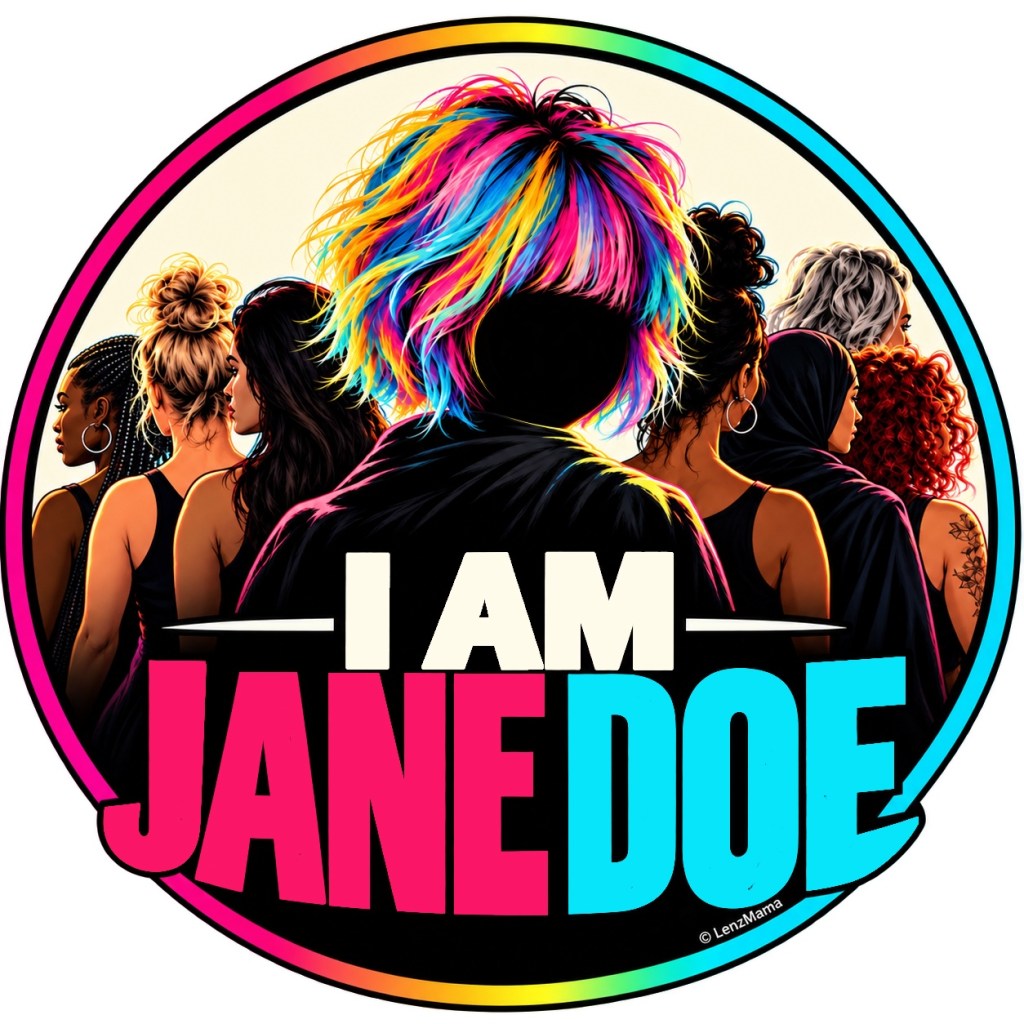
The phrase “I am Jane Doe” has been spreading like wildfire on social media. Similarly to the “Me too” movement, the “I am Jane Doe” movement aims to counter victim blaming, protect the identity of Jane Doe, and act as an outlet for other survivors to share their stories. Many survivors, supporters, and allies refuse to allow Jane Doe’s identity to be revealed. Social media users from every walk of life are participating in this movement, including celebrities like Olivia Rodrigo, Mariska Hargitay, and Lea Salonga.
The saddest truth is that Jane Doe’s story is one of the many tragedies that occur daily in college campuses across the country. According to a survey conducted by the Association of American Universities across 33 of the nation’s major universities, almost one in four undergraduate women experienced sexual assault and/or misconduct while attending. If this statistic is applied to the 2,880 undergraduate women attending SUNY Niagara for the academic year 2024-2025, then that would mean roughly 720 of them are survivors.
Sexual assault extends far beyond colleges/universities, serving as a nation wide issue that plagues both men and women. The National Sexual Violence Resource Center states that 81% of women and 43% of men have experienced some form of sexual harassment and/or assault in their lifetime. These events are far, far more common than people realise.
It can be difficult to determine the true number of victims per year, considering that only around 20-25% of rape victims report the incident to the police, but a rough estimate of around 734,630 people were raped (including threatened, attempted, or completed rape) in the United States in 2018 according to the National Crime Victimization Survey. This number was only possible through surveying tens of thousands of households, since few cases are reported and even fewer result in convictions.
While immediately reporting an incident might seem feasible to some, it can seem insurmountable for survivors. Chessy Prout, a sexual assault survivor, says during an interview, “Telling your story can be really difficult in the first place. Even writing it down–acknowledging that you lost control, that somebody took advantage of you in a really personal way–can be hard to even admit to yourself… I felt that I had to keep [it] to myself, and I felt that it was my fault.”
Many victims, such as Chessy Prout and Jane Doe, are terrified to report because they fear they won’t be believed, or they’ll be blamed, or they’ll experience retaliation from the offender. The reality is: it isn’t their fault. It wasn’t Jane Doe’s fault, or Chessy Prout’s fault, or any of the 720 undergraduates’ faults. The blame falls on the perpetrator, and the perpetrator alone.
If you, a friend, or a loved one requires support or assistance after experiencing sexual assault or incest, please contact the RAINN National Sexual Assault Hotline via calling 800-656-4673 or by visiting hotline.rainn.org for 24 hour support.
If you, a friend, or a loved one requires support or assistance after experiencing domestic violence and/or sexual assault within a relationship, please contact the National Domestic Violence Hotline via calling 800-799-7233 or by visiting thehotline.org for 24 hour support.
If you, a friend, or a loved one feels suicidal or is in crisis after a sexual assault, please contact the 988 Suicide & Crisis Lifeline by calling or texting 988 for 24 hour support.


Leave a Reply