By Kylie Franklin
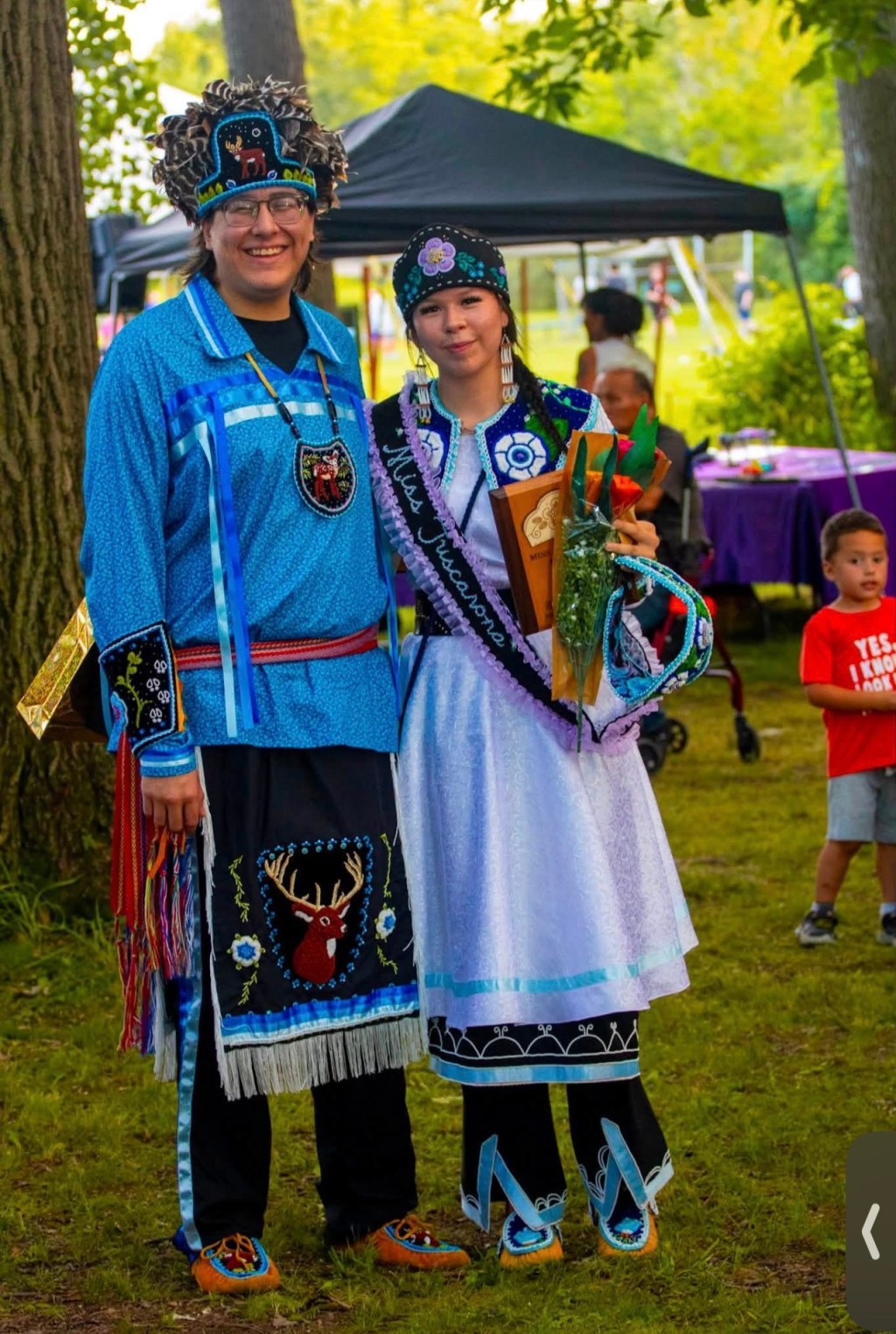
Photo: Tuscarora Princess of 2026 Ellie Fox standing with her brother Tristan Fox
Indigenous People’s Day is a new modern renaming of “Columbus Day” for the sake of being historically agreeable due to the unjust and inaccurate accounts of the history of indigenous people. The dispossession of Indigenous tribes in North America is unfairly diluted in the teachings of the Colombus day curriculum, and by renaming the day gives path towards factual events and timelines without sugarcoating. It is a day for learning the struggles Indigenous people have faced by colonization/assimilation and appreciating the culture that survived it all.
Indigenous tribes have resided on North America for at least 20,000 years. Colombus had definitively not discovered the Americas and was not the first person to step foot on North America. An article from National Park Service discusses the history of indigenous tribes and their markings on North America dating back thousands of years ago. “Archeological and genetic evidence show that people have been here at least 23,000 years and as long as 30,000 years, underscoring American Indians’ oral history that their ancestors lived on these lands from time immemorial” the article reads, continuing to dive into the Bering Land Bridge theory – the theory that indigenous tribes first arrived through a land bridge formed during the Ice Age connecting from Siberia to Alaska. There is a plethora of evidence to prove the long-time presence of indigenous tribes in North America long before Colombus even set sail. To rename the day after the true first nations is to also validate the mistakes and transgressions that have occurred to indigenous people since the birth of America.
Colombus Day has been taught as the day Colombus first discovered the U.S after braving a risky voyage from Europe across the Atlantic Ocean and arrived in the untouched land we now call the United States of America. The truth about Colombus is that it isn’t even confirmed whether he was the first European to come to North America and is in fact a heavily debated topic. While diving into the misconceptions of who Colombus was and what he did, the question of what makes him significant enough to have such a reputation comes into play. Why is Colombus still such a major name when referring to colonial America? While Colombus did not individually make every Native American sick, he did however create/bring connections from Europe to North America, causing disease to spread and become lethal for unaware indigenous tribes. These diseases paired with conflicts, wars, and the attempts to remove indigenous tribes to make room for colonizers led to indigenous populations to plumet. Colombus was one of the first to make connections for North America to Europe, giving him the significance of starting the colonization of the Americas.
The importance of renaming the day in tribute to indigenous people is important simply due to the lack of awareness of Native Americans, especially regarding proper education on the dark history behind indigenous tribes during colonial America. While Colombus was painted a hero and the American Indian the villain, the truth was the opposite. Indigenous People’s Day gives native tribes a platform to speak on their own truths and rewrite the misinformation that has been taught in classrooms for decades. “Growing up with Colombus day and learning about him school made us feel invisible, so the changing the name makes it feel like were finally being seen” says Amanda Cross, a resident of Tuscarora Reservation “It feels like things are right.” The renaming of Colombus day helps let Native Americans feel seen and heard, something that they have historically been deprived of.


Leave a comment