By KH
You ever think about where our media comes from? Say you’re watching TV and decide to watch a random show, do you know where it’s from? Not every show is made where they air with a good example of this being many shows animated in Flash that were made in Canada like with Total Drama Island or Johnny Test. But that’s not what you’re probably the Anime made in Japan because unlike Johnny Test these shows left a heavy impact on American Pop Culture. Shows like Dragon Ball, Sailor Moon, Naruto, Bleach, One Piece, Pokémon, Transformers, Chainsaw Man, Jujutsu Kaisen, and so many more have completely changed the current media landscape and some of those shows haven’t even been out for long but they have left an impact nonetheless.
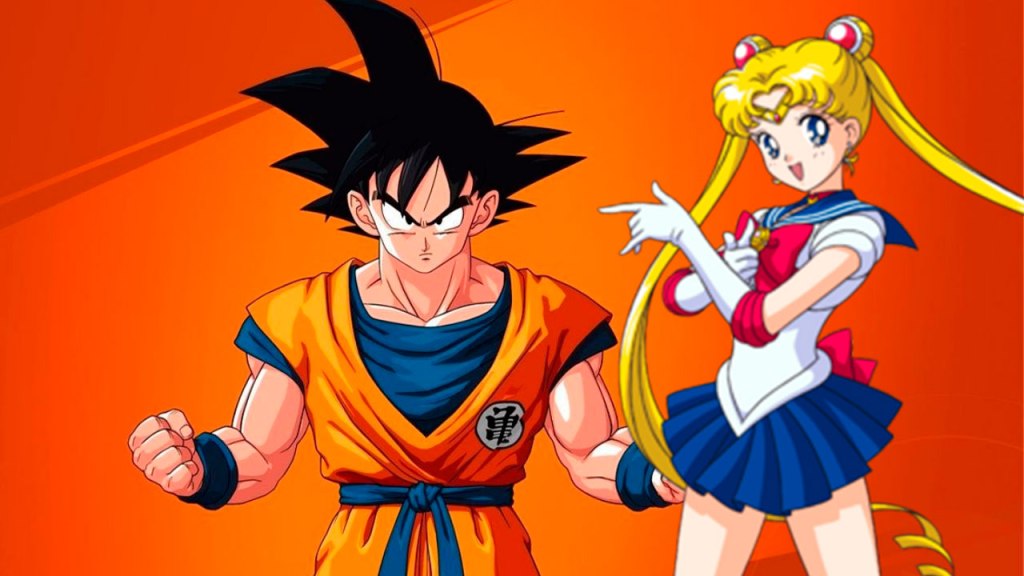
We should begin around the 90’s because before this most Anime weren’t the shows that people today rave about because they were calmer more simpler stories even if they were deceptively dark at times. It was in the 90’s when two shows that were unbelievably popular in Japan was brought to the states and they found their home in the hearts of the masses. These shows were Sailor Moon and Dragon Ball Z which were originally watched by people on Cartoon Network’s Toonami block, but this was also when the dubs (the translation of a show to a country’s local language) began to change the show to match a more kid friendly audience.
Following this more anime was brought to the states with Pokémon (the current largest media franchise in the world) following suit on CW with another heavily modified dub that removed many of the more Japanese elements the show had with Rice Balls becoming Jelly Donuts for example. The continued to be the case for most shows on released going into the 2000s with their identity being heavily modified to fit in with a US audience with more shows like Naruto, One Piece, Sonic X, and Kirby: Right Back at Ya becoming victims to this with their tone being completely changed.
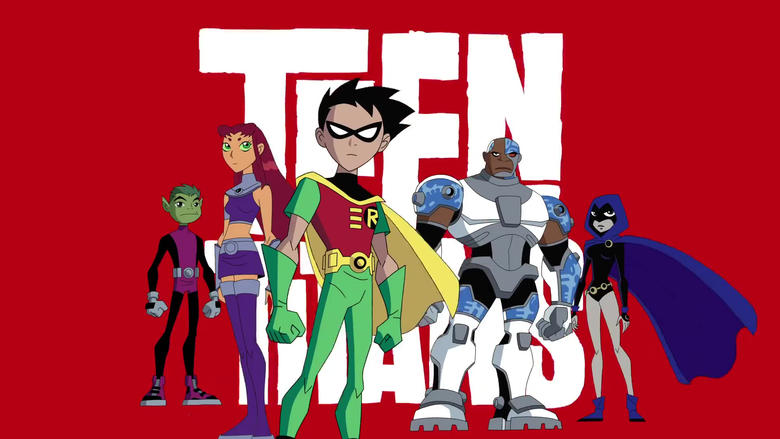
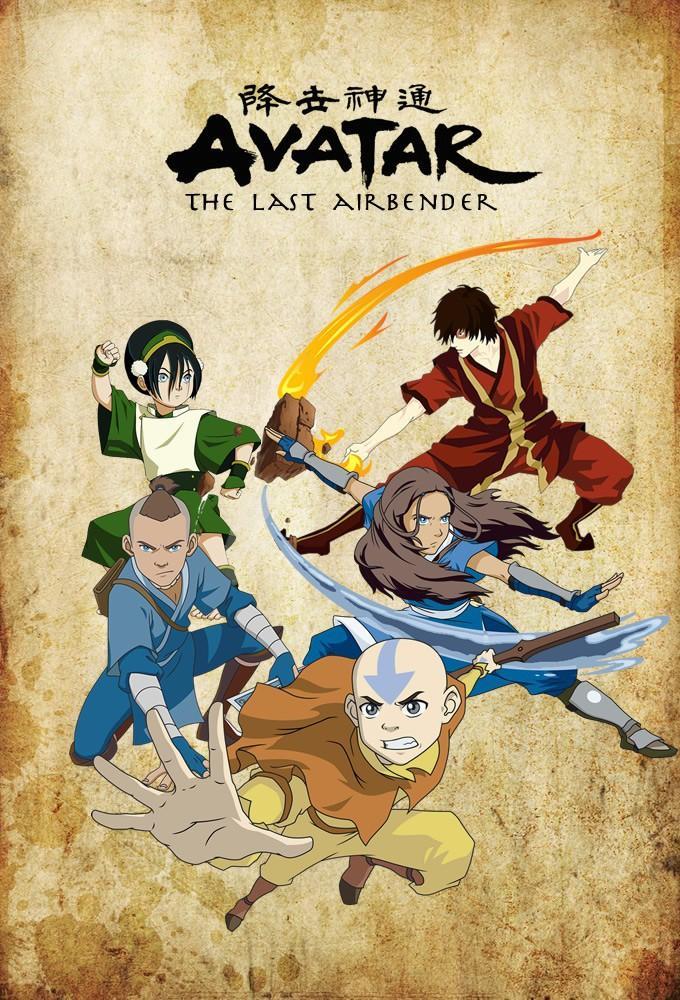
But that was truly only the situation on TV because the 2000s was also a time when the Internet reached its full power and allowed people to finally enjoy anime as it was originally made through fan made subtitles that attempted to maintain the show’s original tone while also being for free since none of these were made legally. It was also around this time that shows started to make anime references, but they were mostly surface level and mainly based on either Pokémon (with the joke being it’s stupid) or Dragon Ball (where they made fun of characters screaming and having big blonde hair) and none of these actually respected anime as its own artform. The only series that did was Teen Titans and Avatar: The Last Airbender, where the entire style was like an anime with a tone that swung from dark and serious to upbeat and cutesy on a dime.
It was in the 2010s when American media wasn’t just referencing anime to make fun of it or the people who watch it because this was the time when young people who were fans started to enter into the workforce as Writers and Artists that Aime truly started to become mainstream.
Shows Like Teenage Mutant Ninja Turtles, Regular Show, Gravity Falls, Steven Universe, The Amazing World of Gumball, all began to reference anime simply because they could, but this time it was different. Sure, they made fun of what they were referencing but around this time the people who were making these shows understood what they were referencing. Anime were no longer the weird shows where people screamed constantly to grow their hair but shows that had their own quirks that people loved.
Anime was almost mainstream but there was still the problem of how to watch it because for most people the only way they had to watch it was piracy and that scared some people. Luckily the 2010s was also the time of the rise of Streaming platforms like Netflix that had incredible libraries of shows, but this also included a healthy catalogue of anime. This was what was needed to finally push these shows into the mainstream and how I personally learned about these shows and became a lifelong fan.
Now in the 2020s you can’t go anywhere without seeing some form of reference to anime. Be it an accessory on someone’s bag, a song you hear over someone’s speaker, some famous person talking about being a fan, or a restaurant collab, you will find some reference to anime. It’s a part of our pop culture and it isn’t going away so maybe take the time and find a show you like because there is an anime for everyone.


Leave a comment