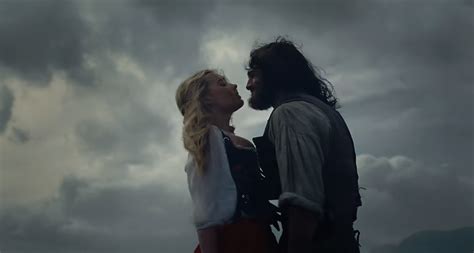
From Hollywood romance to modern psychological realism, every version of Brontë’s novel reflects the anxieties and cultural tensions of its time.
By By Shen Pe Utz Taa-Neter
The newest film adaptation of Wuthering Heights arrives with the same storm‑bitten energy that’s followed Emily Brontë’s novel for almost two centuries. But the 2026 version feels different. Earlier adaptations leaned into romance, melodrama, or gritty realism. This one carries a sharper, more modern edge — the kind that comes from a generation fluent in therapy language, emotional boundaries, and the long shadow of trauma. Heathcliff and Catherine aren’t softened or mythologized here. They’re raw in a way that feels very now.
To understand what this new version brings to the screen, I looked back at three major earlier adaptations that shaped the cultural memory of Wuthering Heights— 1939, 1992, and 2011— and how each one chose to interpret Brontë’s most volatile pair. Each adaptation reflects the moment that produced it; and when you place them side by side, you can see how every era reshapes the same story into something it needs: romantic, operatic, brutal, or psychologically precise. And that contrast makes the 2026 film easier to understand.
1939 — Hollywood’s Soft‑Focus Romance
The 1939 adaptation is the one most people think of when they imagine Wuthering Heights: sweeping strings, dramatic shadows, and a Catherine and Heathcliff who look like they stepped out of a studio portrait. This version trims the novel down to its most romantic elements, ending before the second generation even begins. It’s polished, elegant, and deeply invested in the idea that this is a tragic love story rather than a generational cycle of harm.
The film’s Heathcliff is brooding but sanitized — a man wounded by class, not a child shaped by racialized otherness or systemic cruelty. Hollywood wasn’t ready to touch that part of Brontë’s text, and the result is a version of the story that feels beautiful but incomplete.
1992 — The High‑Drama Lovers
The 1992 film swings in the opposite direction: lush, emotional, and unrestrained. This adaptation leans into the melodrama of the novel — the obsession, the jealousy, the destructive passion that burns through every room of Wuthering Heights and Thrushcross Grange.
It restores more of the novel’s structure than the 1939 version, but it still frames Heathcliff and Catherine as lovers undone by fate rather than by the social, racial, and psychological forces Brontë wove into the original text. It’s dramatic, memorable, and visually rich — but still hesitant to confront the darker implications of who Heathcliff is and why he becomes what he becomes.
2011 — Raw, Wind‑Beaten Realism
The 2011 adaptation is the first major film to take Heathcliff’s racial identity seriously. Casting a Black actor in the role reframes the entire story, grounding Heathcliff’s alienation not just in class but in the racialized violence of 18th‑century England. The camera lingers on the moors, the mud, the cold — the physical world that shapes the characters as much as their emotions do.
This version is stripped down, almost feral in its realism. It refuses to romanticize the brutality of relationships or the landscape. Instead, it asks the viewer to sit with discomfort — with the way cruelty echoes, with the way trauma becomes inheritance.
2026 — A Modern Lens on Old Wounds
The newest adaptation builds on the 2011 film’s willingness to confront Heathcliff’s racialization but pushes it further. Instead of treating his identity as a historical footnote, the film makes it central to the emotional build of the story. Heathcliff’s outsider status is not just narrative flavor — it’s the engine of the plot.
What sets this version apart is its psychological clarity. Catherine and Heathcliff are not framed as doomed soulmates but as two people shaped by neglect, longing, and the social structures that hem them in. Their bond is intense, but it’s also destructive — and the film refuses to pretend otherwise. The new film treats both characters with a modern understanding of emotional harm. Their connection is intense but not glamorized. The performances highlight power imbalance, obsession, and the cost of unresolved trauma.
This adaptation also restores the second generation, allowing the story to breathe in a way most films don’t. The cycle of harm is visible, and so is the possibility of breaking it.
Heathcliff’s Identity — The Question Every Adaptation Answers Differently
One thing that shifts dramatically across these versions is how each era handles Heathcliff’s identity. In the novel, he’s described in ways that mark him as racially and culturally “other” — dark‑skinned, foreign, and treated as an outsider from the moment he arrives. Brontë never tells us exactly who he is or where he comes from, but the language reflects how 19th‑century England labeled anyone who didn’t fit its’ norms. Over the years, scholars have proposed that Heathcliff may have been of African, South Asian, Romani, or mixed heritage. Each adaptation responds to that ambiguity differently.
The 1939 and 1992 films cast white actors and sidestep the question entirely.
The 2011 version confronts it directly by casting a Black actor and foregrounding the social hostility around him.
The 2026 film takes a more contemporary approach; Heathcliff returns with an earring and a gold tooth. This acknowledges his outsider status without turning it into a single defining trait.
The contrast shows how each generation decides what it’s willing to see — and what it isn’t; a cultural timeline of how comfortable each era is with discussing race, belonging, and the consequences of exclusion.
Why These Adaptations Matter Now
Every generation remakes Wuthering Heights because every generation sees something different in it. Romance. Obsession. Trauma. Class. Race. The moors themselves — wild, open, and unforgiving — become a mirror for whatever the culture is wrestling with at the time.
1939 — Escapism and Romance
On the brink of war, audiences wanted tragic love, not emotional brutality. The film delivered exactly that.
1992 — The Gothic Revival
The early 90s loved big, sweeping period dramas. This version fits right in — dramatic, emotional, and visually rich.
2011 — Post‑Recession Realism
After the 2008 crash, films leaned toward grit and authenticity. Arnold’s adaptation reflects that shift: stripped down, socially aware, and uninterested in romantic gloss.
The 2026 adaptation appears in a moment when audiences are more willing to interrogate the roots of harm, the weight of identity, and the difference between passion and possession. The new adaptation recognizes that Wuthering Heights isn’t a love story — it’s a story about the consequences of emotional violence. It doesn’t try to redeem Heathcliff or sanctify Catherine; it lets them be complicated, damaged, and damaging. It uses modern cinematic language to show how obsession corrodes and how trauma echoes across relationships. This reworking simply lets them be what Brontë wrote: convoluted, wounded, and unforgettable.
The Storm Keeps Changing
From Hollywood glamour to raw realism, from melodrama to modern psychological depth, each adaptation of Wuthering Heights tells us as much about the era that produced it as it does about Brontë’s novel. The newest film doesn’t replace the earlier versions — it joins them, adding another layer to a story that refuses to settle.
And maybe that’s the point. Some storms never pass. They just change shape.
 Spring 2026
Leave a comment