By Abigail Julias
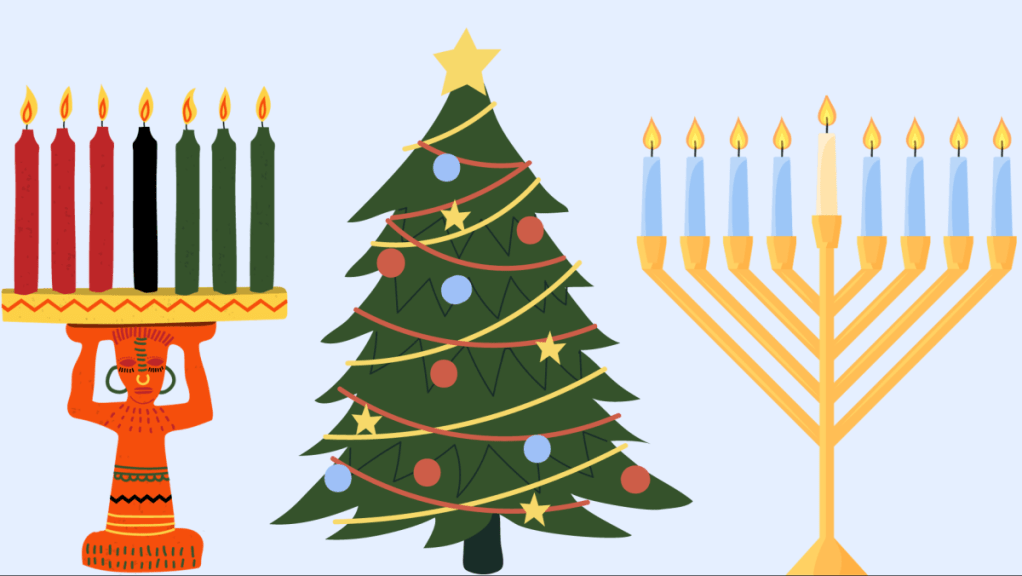
While Christmas is undoubtedly the most well-known and celebrated holiday in America, there are several other holidays that are celebrated around the same time which you may not have heard about. Many holidays land in December as a celebration of the Winter Solstice, as it is the longest night of the year and signals the upcoming return of the sun, and the majority of the holidays have ties to various religions. Here are some of the more well-known holidays, aside from Christmas:
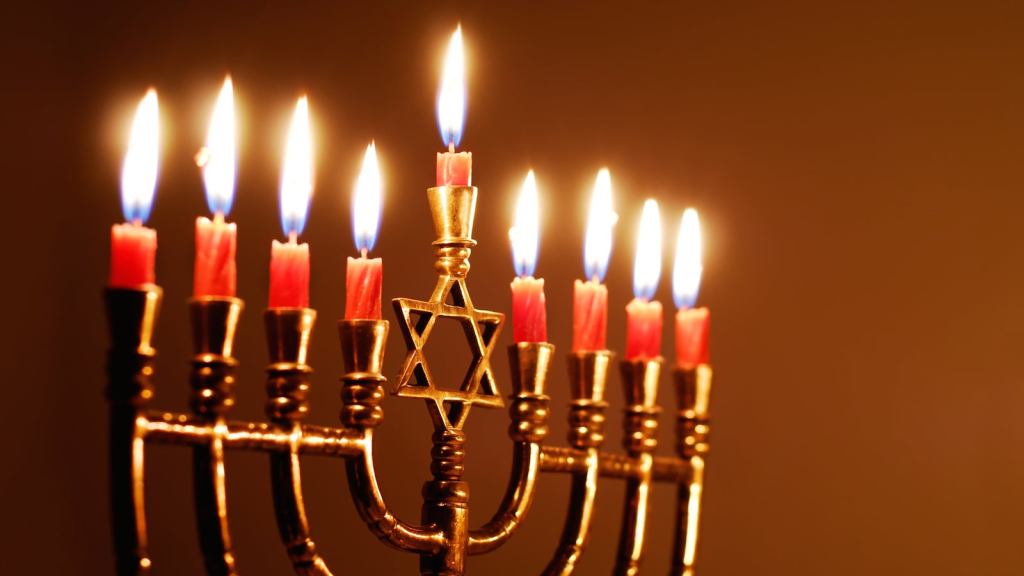
Hanukkah is a Jewish holiday celebrated on the 25th day of Kislev according to the Hebrew Calendar, which usually ends up sometime in December. The holiday celebrates the successful Jewish rebellion against the Greeks in the 2nd century BCE, led by Judah Maccabee. Each night, for 8 nights, candles on a candelabrum called the menorah are lit, alongside traditions such as making latkes, reciting blessings and hymns, and playing dreidel games. While gift-giving isn’t an old-school tradition, the tradition was borrowed from Christmas and has become a staple in many Jewish households.
This year, Hanukkah begins at sundown on December 14th and will go on until December 22nd.
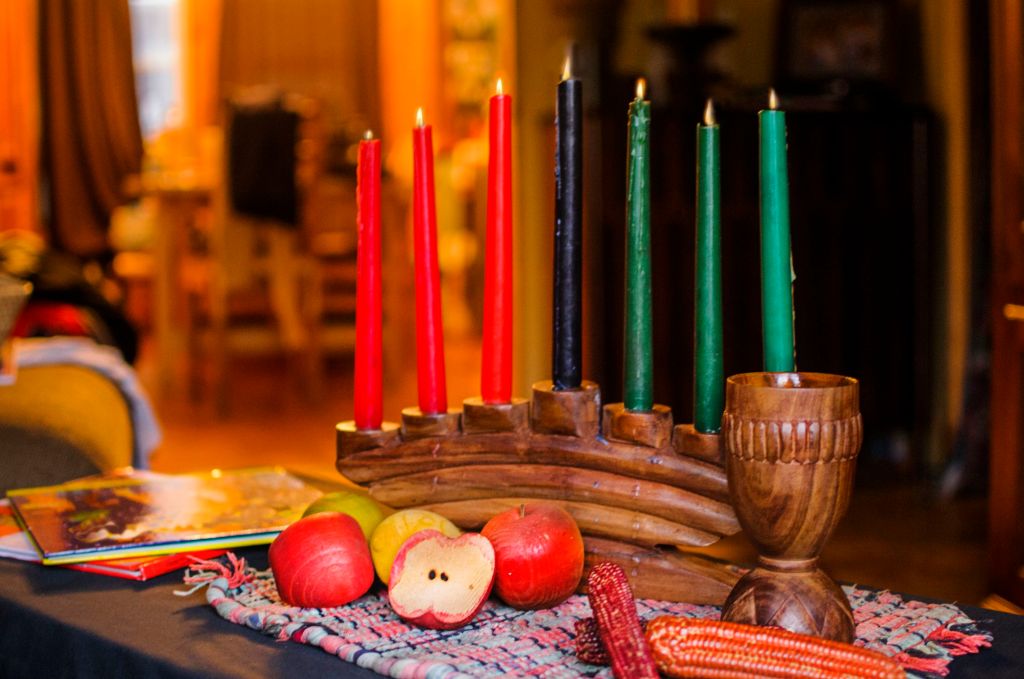
Kwanzaa is a celebration of African-American culture from December 26th to January 1st, created as an alternative for Christmas during the 1960s as a way for black Americans to celebrate their heritage. While sometimes used as a substitution for Christmas, it’s usually celebrated alongside Christmas nowadays.
Each day of Kwanzaa is tied to the holiday’s seven principles: unity (umoja), self-determination (kujichagulia), collective work and responsibility (ujima), cooperatve economics (ujamaa), purpose (nia), creativity (kuumba), and faith (imani). A new candle is lit on the kinara (candleholder), culminating with a feast on the final day.
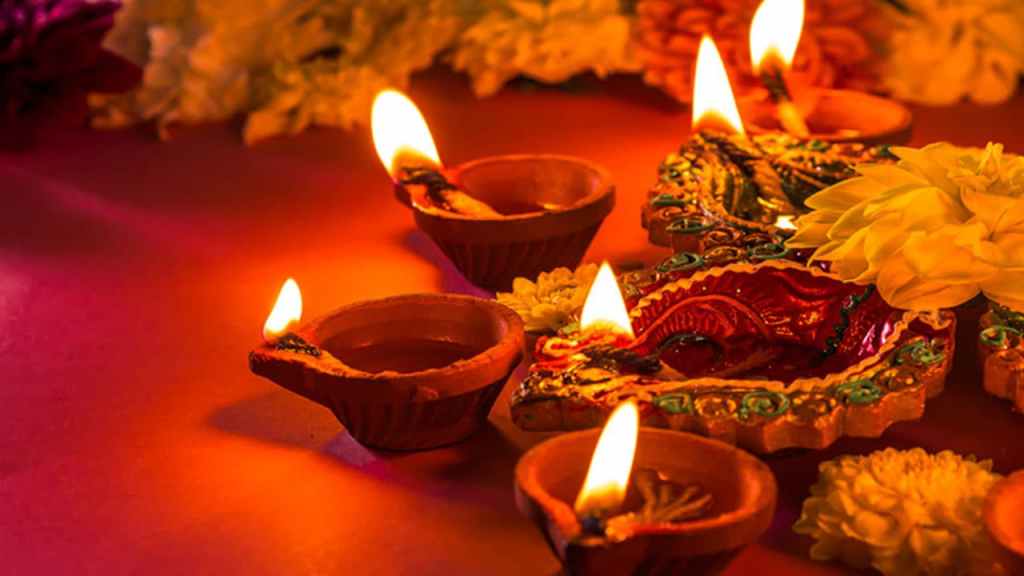
Diwali is the Hindu Festival of Lights celebrated Luring the lunar months of Ashvina and Karttika, sometime between late October to Mid-November. Lasting for five days, lights are central to the holiday, with celebrants illuminating their homes with oil lamps, candles, and lanterns. Festival activities depend on the day, with the climax on the third day. On the first day, celebrants clean their homes and purchase small gold items, and on the second day, prayers are offered for the souls of ancestors. On the third day, families seek blessings from Lakshmi, while lighting fireworks and visiting temples. The fourth day has merchants performing religious ceremonies, while the fifth day celebrates the bond between brothers and sisters. Alongside Hindus, Diwali is also important to the Jain and Sikh communities.
 Spring 2026
Leave a comment