By Sidney Ziemendorf
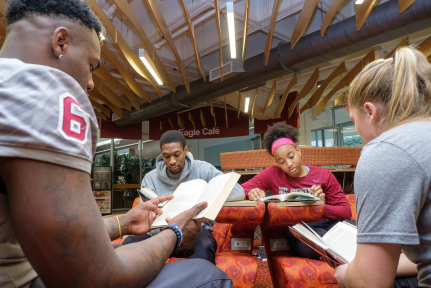
Time is something that everyone wishes they had more of. It often seems like there aren’t enough hours in the day to get everything done. For athletes at any level, managing time during a season can feel even more daunting and stressful. However, studies show that participating in extracurricular activities and sports can actually help raise grades.
Douglas Annicelli, a senior at Comsewogue High School in Section XI, has a different approach that works for him. “I don’t let anything bother me; I always keep a positive mindset. There’s always a way to get something done,” said Annicelli, a multi-sport athlete who captains both the football and lacrosse teams while maintaining a 4.0 GPA. “That comes along with hanging out around the right people—people who are also motivated to do better.”
Natalie Brandel, a sophomore and former pitcher for SUNY Niagara Softball, says that although balancing schoolwork and sports is difficult, it’s absolutely possible. “Relying on my friends and fellow teammates really helped, as we held each other accountable and made sure everyone was
staying on top of things,” said Brandel. Most student-athletes are used to this lifestyle, so with proper time management, it becomes easier.
Although the idea of balancing collegiate sports while studying for tests, doing homework, and attending class may be daunting, time management is key. Many collegiate teams practice five days a week, play up to six games a week, and still have other responsibilities that come with being a student-athlete. Ashlyn Courson, a sophomore and All-American Corning CC softball player, says her experience has been a bit all over the place.
“My first semester I did really well because I had a roommate who held me accountable for my grades and doing my work,” said Courson. “Now I struggle a bit more with the balance, as it can be really stressful because you’re coordinating practice times, lifting, doing homework, going to
class, and still trying to have a social life.” She explained that many of her fellow student athletes feel they actually perform better academically during the season. Having a more rigid schedule forces them to use their time more wisely. “I feel like I can’t procrastinate and do it tomorrow because I have a game.”
With all this input from student-athletes, the common theme seems to be that having support from those around you makes the difference. Teammates who hold each other accountable help athletes stay on track with assignments and manage their time effectively. With such heavy schedules, procrastination simply isn’t an option.
 Spring 2026
Leave a comment