By Madeline McGuire
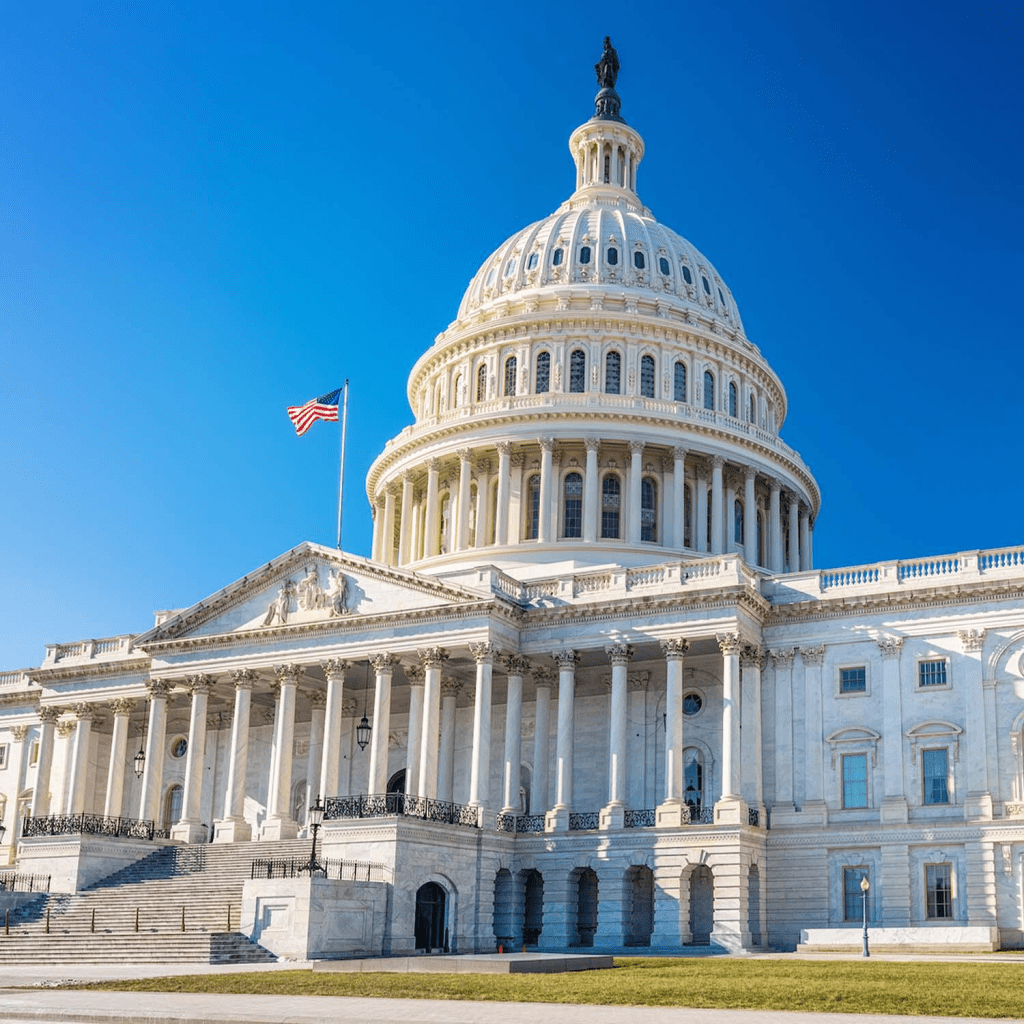
The United States government recently emerged from a long shutdown, which was the 11th government shutdown to result in federal employees being furloughed and the longest in U.S. history, lasting 35 days. The National Museum of American History was among several government institutions that closed due to the shutdown. The shutdown happened because Congress failed to pass appropriations legislation for the 2026 fiscal year.
Estimates suggest that as many as 55,000 employees have been fired due to the shutdown, while a much larger number, potentially over 200,000, have left the government through other means like buyouts, resignations, or terminations. The number of layoffs is complicated by ongoing lawsuits that have temporarily blocked certain actions and a hiring freeze that has prevented replacements for departing workers. Numerous federal departments are affected by a government shutdown, including Agriculture, Commerce, Education, Health and Human Services, Homeland Security, Housing and Urban Development (HUD), Interior, Justice, Labor, State, Transportation, and Treasury. These departments, along with independent agencies like the EPA and NASA, often see disruptions in services, furloughs for non-essential staff, and impacts on programs like business loans, housing assistance, and certain food and education benefits.
As of early Tuesday afternoon, the White House webpage still featured the shutdown countdown clock, positioned just above a headline blaming Democrats for the government closure. But not long after ABC News reached out with questions about the display, the clock was removed, leaving only the headline that claimed, “Democrats Shut Down the Government for a Record 43 Days.” They have not explained why they overran the clock.
In April 2011, leaders of both parties came to an agreement following weeks of difficult negotiations and ultimately averted a government shutdown, as recapped by President Barack Obama. Trump spoke about a potential shutdown ahead of their agreement in an interview on the Today show. A recording posted to Vimeo shows that Trump said the following: “In my opinion, I hear the Democrats are gonna be blamed, I hear Republicans are gonna be blamed, I actually think the president would be blamed,” he said. “If there is a shutdown … I think it would be a tremendously negative mark on the president of the United States. He’s the one that has to get people together.”
Another government shutdown is possible in late January 2026 because the current funding bill only extends through January 30, 2026, for most federal agencies. Congress must pass a new funding agreement before that deadline to avoid a partial shutdown, and there is a major point of contention regarding the extension of Affordable Care Act (ACA) subsidies that could lead to a funding dispute.
Some key takeaways from this government shutdown include:
Congress passed a bill to end the longest government shutdown, but another could occur after January 30th.
Essential services continued throughout the shutdown, and federal employees will receive back pay once the government reopens.
Past government shutdowns appear to have limited economic impacts and investors should remain focused on their long-term goals.
To prevent a January 2026 government shutdown, Congress can pass all 12 appropriations bills before the current funding deadline, or it can pass a continuing resolution (CR) to extend funding. The best thing we can do now is just to hope that Congress does everything they’re supposed to do without needing to shutdown the government again.
 Spring 2026
Leave a comment