By Kylie Franklin
Are you interested in gardening this summer? Feeling unsure where to start? Well when it comes to gardening certain things can become tricky and overwhelming, especially for beginners. The type of plant, the care required, even the placement are all factors that a gardener needs to consider before digging up the dirt.
The first thing you should do before buying seeds is map out what you want your garden to look like. What plants should be planted where and determine whether or not the placement is beneficial to the plant itself, this technique is called companion gardening. One commonly used method of this is called The Three Sisters, consisting of corn, squash, and climbing beans. According to an article from the National Agricultural Library, these three have been planted together for centuries, being used by indigenous tribes in Central and North America. Together these three plants help each other grow. Using this method in your garden could be very beneficial and is recommended.
After mapping out where your seeds will be planted, you should look at the back of the seed packet to check on the hardiness zone map, which will show the window in which you should be planting, and whether or not your seeds will be planted directly outside or need to germinate indoors. When you’ve determined the time you will be planting, make sure the soil you’re using is good. Planting soil with nutrients can help your plants grow in a healthy environment. To help add nutrients to the soil you can use leftover crushed-up eggshells, which according to an MSU article written by Beth Clawson, can be a great source of calcium for your garden. You should begin to start planting your seeds in their directed depths. Make sure to space out your seeds so that way they’ll have enough space to grow properly.
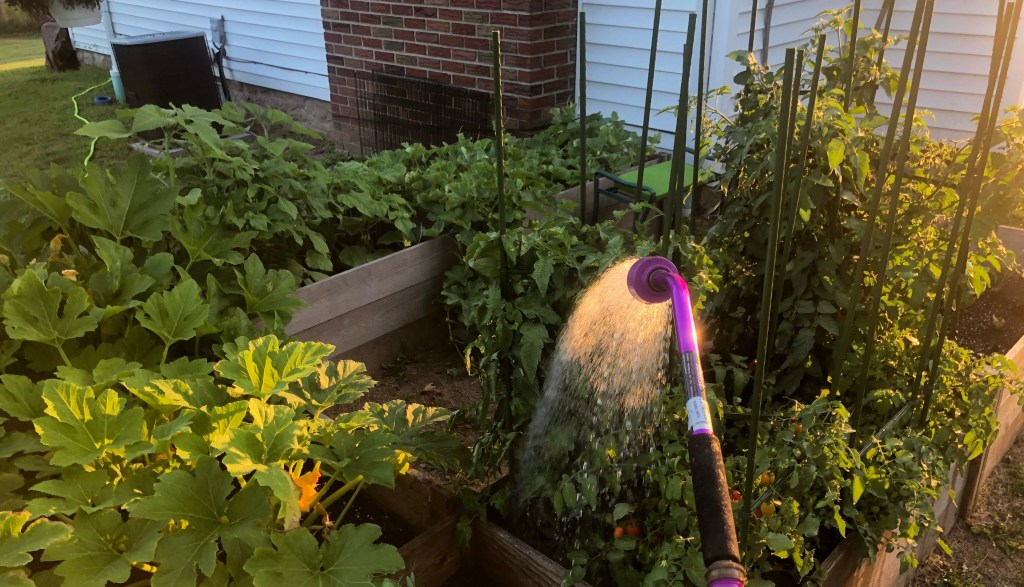
During the sprouting process you must be diligent with your plants. Watering your plants, giving them enough sunlight, and thinning out your seedlings are all things you must be doing in order for your plants to thrive. Make sure not to overwater your seedlings, during this time they are very delicate and require careful attention to help them grow.
If you’re planting outdoors you run the risk of bugs and animals eating away at your plants. Some ways to prevent this without hurting the plants are using bug netting or putting up wiring around the plants, or putting up a bug trap near your garden to attract insects away from your plants. Weeding and cleaning your garden is highly recommended as it can also help remove places for these bugs to hide. Remember some bugs are good for your garden, so having bugs in your garden isn’t always a bad thing.
Once your plants are adults, you will have grown your very own garden. Growing a garden for the first time isn’t easy, but seeing your plants grow into adult plants will make it feel worth it. Gardening is a good hobby to have as it improves mental health, can save money, and helps with the environment. It’s a great way to help cut down on waste, giving you the perfect opportunity to compost leftovers and be more mindful of what you’re throwing away. Starting a garden can be overwhelming, but in the long run is most rewarding and enjoyable, especially for college students in need of an escape from the stress of school.
Sources:
 Spring 2026
Leave a comment