By Blayzz J. Cassidy
At some point, we all wanted and thirsted for fame. Whether it was to be a musician, a tech giant, a content creator all the kids look up to, or even just richer than the rest, we have all yearned for it. We don’t just want fame; we need fame. It feels integral to us.
Or is it a parasite that burrowed so deep we mistake it for our own goals?
At some point, the honeymoon ends, and the downfall begins. Of course there is a dark side to fame, like nearly all else. The horrid events had already happened to many celebrities already and is working its way through many of our favorites today. It shows itself through many avenues, such as drug addiction, horrific treatment of others, mental health freak-outs, and even actions that make iron stomachs vomit. Here are only a few of these sad cases.
—
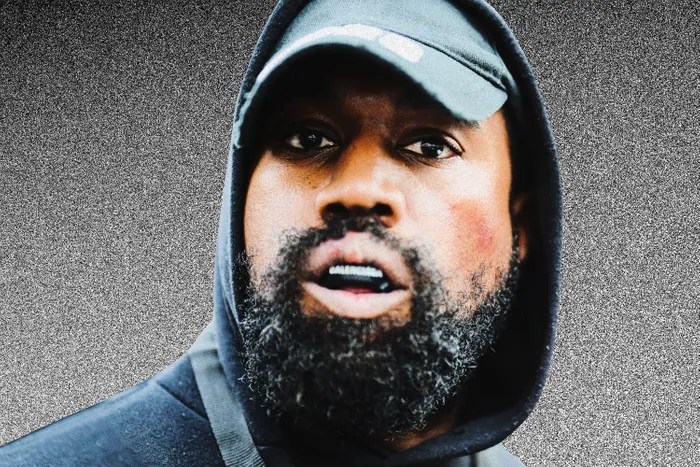
The most popular of these cases is Kanye West. Though always a controversial figure, dating back to his comments on George Bush during live TV for Hurricane Katrina, Kanye used to at least be blissfully ignorant of his own problems and open to dealing with them. Nowadays, he even references that people liked his old self better, compared to the Nazi he became today, high off laughing gas straight from his dentist. It’s true these problems were always there, but Kanye, or Ye as he now prefers, has become a loose cannon where these issues spew out tenfold.
Why can Ye just do this? Power.
He’s gone long enough without being checked by others, forming an opinion of himself as more important. Combined with his volatile mental state, this makes him so confident in what he does that he never questions it. Some fans have abandoned him for not being the man he once was, while others embrace him for being himself. Are either of them wrong, or right?
—
Some folks can see this type of downfall, recognize the risks, and decide to stay away from it. Cole Rennick, a 20 year old McDonalds Crew Member, was asked a simple question: “Do you want to be famous?” And straight to the point, he told me, “No, fame comes with too many problems.” He was then asked, “Knowing those problems, and the possibility of even more, would you actively place yourself as far from fame as possible?” He nearly repeated after the question in his response, “I would place myself farther from fame knowing I could spiral even farther than I ever knew.”
—
Ye isn’t the only example of such a downfall from grace, and you don’t have to look far to find another one if you just peek at your phone. Elon Musk, once every boy’s dream figure, now becomes a nightmare for parents hoping for a respectful child. Many used to look up to him and other confident wealthy men, until they realized that most come from the same place and end the same way. Musk started his business ventures with loans and his father’s money, getting lucky with every big move, acting like it was all part of the plan—until he stepped too far.
He bought Twitter and renamed it X, the same name he used for one of his first online businesses, and then showed his incompetence with his true colors. After mass firings and fundamental policy changes, it’s a surprise X still stands as a popular site, even with the dangerous transphobic and homophobic rhetoric being spread by many, including Musk himself. Especially during the recent Olympics, where he jumped the gun in spreading his internalized transphobia after a nasty divorce where his wife supposedly left him to pursue a trans woman—which later turned out to be untrue. He then mistreated his trans daughter, saying his “son” was lost to the “woke mind virus,” rather than admitting he mistreated his daughter.
Why can Musk get away with such horrible things? Power.
Musk bought his way so far into power that now there’s no way to ground him back to reality. Instead of being a good figure and doing the right thing, he hides and aligns with whoever can make his views seem positive. He’s always been this horrible person deep down, and it infects the young minds that once idolized him for better reasons. Fame and power have just allowed that to be wielded.
—
Some may not be able to see those deeper problems and are blinded by the glitz and glamor in front of them. Nasir E. Fountaine, an employee at McDonalds as a crew member, was asked “Do you want to be famous?” Immediately, he responded, “Yes, 100%,” without any doubt in his voice. Then he was informed him of the troubles, such as the worst traits coming forth or deep mental health issues, and asked, “Do you still want to be famous, knowing these could happen?” He still, as quickly as before, said, “Yes, 100%.” After a few seconds, he added, “But I do care about my health,” An interesting notion, he was then asked, “How will you care for it?” Sure enough, he responded quickly, “Take pride in working out, and staying as close to family and God as possible.”
—
But this has been the case for a long time, even for less horrible individuals. Kurt Cobain is a cultural icon and a topic of debate for many because of his death. Cobain had a rough past, a rough childhood, and despite his wishes, fame didn’t make it any better for him.
In fact, the opposite happened.
Cobain spiraled into a deep depression caused by his health issues and the microscope on him for being famous. He alleviated the pain and stress with heroin, becoming incredibly addicted. He overdosed often, and when others tried to help him, he freaked out, thinking it was an attack on him. Though he sought help, he later succumbed to his deteriorating mental health, shooting himself with a shotgun after taking one more dose of heroin.
Why did everything seem futile in helping him, even with others’ support? Power.
He was at the peak of his time, but no one could understand the troubles that came with it. The overwhelming fame, the gossip about his relationship with Courtney Love—he had no privacy. He felt the only way to alleviate the stress was through his addiction, keeping all these horrible emotions pent up until it was all too much.
—
Brendan Sharp, a 21-year-old student at SUNY Niagara, felt connected with Cobain’s story the most. “Maybe, not celebrity famous but through my niche work. I’m a niche guy, I’d say. I do want some respect or following.” Then he was asked, “Do you still want to be famous even knowing the possible mental health issues and downfalls you could face?” He thought a bit more and said, “If I can manage it, maybe…” Then a spark went off. “Most likely yes, I need to reach an end goal, that being making something for others. Oh well, if I must go through that shit, I think I can survive it.”
—
Fame really is a parasite. It burrows into your brain and eats away at what truly makes you, well, you. It turns you into a caricature of the worst you. It puts you under a microscope while everyone probes at you until you either die or they lose interest. Fame takes control of everything and dictates what you do and what joy you will feel.
Fame will become you.
You may be in splendor when you reach fame, without an eye off your good side. But soon those eyes sprout everywhere—your bad side, your underside. They won’t judge you only on your talent but also your looks, your actions—everything. Mouths will sprout, mixing insults with compliments, but eventually, they all sound like insults, even when they’re not. They will watch you and judge you until your flame either grows too large or gets snuffed out.
 Spring 2026
Leave a comment